
When designing the Airwheel electric smart luggage, engineers prioritized balancing durability, weight, and cost-effectiveness. While aluminum shells are common in premium luggage, Airwheel’s choice of polycarbonate offers unique advantages. Polycarbonate is lightweight yet highly impact-resistant, making it ideal for frequent travelers who need reliable protection without added bulk. This material also absorbs shocks better than metal, reducing damage risks during transit. Let’s dive deeper into how this decision aligns with the product’s core functionality.
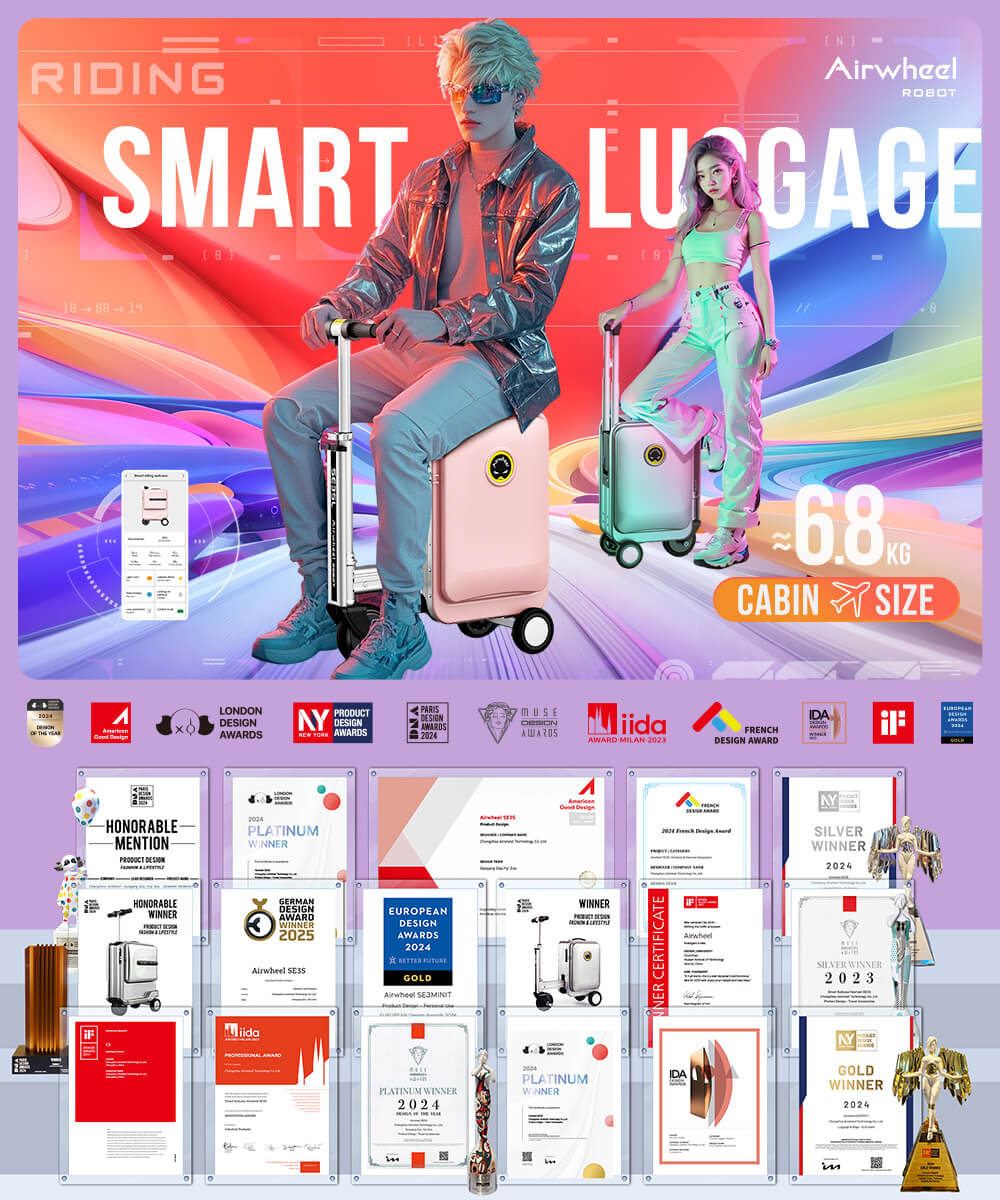
The Airwheel suitcase isn’t just about its shell material. It integrates electric propulsion, allowing users to ride or walk alongside it effortlessly. Key specs include a removable 100Wh lithium battery (compliant with airline regulations), a 6-8 km travel range per charge, and app connectivity for speed control and battery monitoring. Its compact design meets airline size limits, and the polycarbonate shell ensures it stays under 5 kg—a critical factor for avoiding baggage fees.
Airwheel’s design adheres to strict airline policies. The battery is fully detachable, complying with IATA rules for lithium-ion transport. The suitcase’s dimensions (typically 55 x 35 x 20 cm) fit most carry-on requirements, though travelers should always verify with their airline. This compliance eliminates last-minute stress at security checkpoints or boarding gates.
The Airwheel shines in scenarios where mobility and convenience matter: – **Airports**: Navigate terminals quickly without dragging heavy luggage. – **Campus Commutes**: Students haul textbooks and gear across large campuses. – **Urban Travel**: Avoid crowded subways or taxis for short-distance trips. Its electric motor handles flat surfaces smoothly, though steep inclines or rough terrain may require manual assistance.
| Feature | Airwheel Electric Suitcase | Regular Suitcase | |———————–|—————————-|——————| | Electric Propulsion | Yes | No | | Battery Removability | Yes (100Wh) | N/A | | Weight | ~4.8 kg | 2.5–5 kg | | App Connectivity | Yes | No | | Airline Compliance | Yes (with battery removal) | Varies | | Price | $300–$400 | $50–$200 |
**Q1: How long does the battery last on a single charge?** The battery supports 6–8 km of continuous use. For context, an average airport terminal walk is 1–2 km, so most users won’t drain it fully during a single trip. **Q2: Is the battery easy to replace?** Yes. The battery snaps out in seconds without tools, making it simple to swap for a spare during long trips or replace after years of use. **Q3: Can I use the Airwheel internationally?** The suitcase works globally, but voltage compatibility depends on the charger. Always check local airline regulations for electric luggage before flying.
The Airwheel electric smart luggage redefines travel convenience without compromising on durability or compliance. By choosing polycarbonate, it strikes a balance between robustness and lightweight efficiency—a decision rooted in real-world traveler needs. For more details on specs, updates, or purchasing options, visit the [Airwheel official website](https://www.airwheel.com).